Complete Branding Services Nashville: From Logo to Web Launch, We Handle Literally Everything
If you've ever wondered what comprehensive branding actually involves beyond "making a logo and hoping for the best," this article walks through the entire process from strategy to execution and everything in between.


What you're about to read: This is the complete guide to how All Things Branding approaches brand development from start to finish. We'll cover strategy, logo design, visual identity, website development, photography, video production, marketing materials, and ongoing support. You'll see how integrated branding works when one team handles every aspect instead of cobbling together services from multiple vendors. And yes, there will be moments where we acknowledge how absurd modern business has become, because sometimes you need levity when discussing serious topics like whether your brand colors should be "corporate blue" or "slightly different corporate blue."
—
Most businesses approach branding backwards. They start with "we need a logo" and work from there. Maybe they get a website. Eventually they realize they need photos. At some point someone mentions video content. Graphics become necessary. SEO gets added to the list.
Each element gets handled separately by different vendors at different times using different interpretations of what the brand should be. The result looks like it was assembled by committee, except the committee members never met and communicated exclusively through vague email chains and mounting frustration.
Professional branding works differently. It starts with strategy, builds a comprehensive visual system, creates all necessary assets, and maintains consistency across every application. It's coordinated, intentional, and actually accomplishes business goals beyond just "we have a logo now."
Let's walk through what comprehensive branding actually looks like when one team handles the entire journey.
Phase 1: Discovery and Strategy (Where We Figure Out Who You Actually Are)
Professional branding doesn't start with design. It starts with questions.
What does your business do? Who are your customers? What makes you different from competitors in Nashville, Brentwood, Franklin, or wherever you operate? What are you trying to accomplish? What does success look like? What's your current brand situation and why isn't it working?
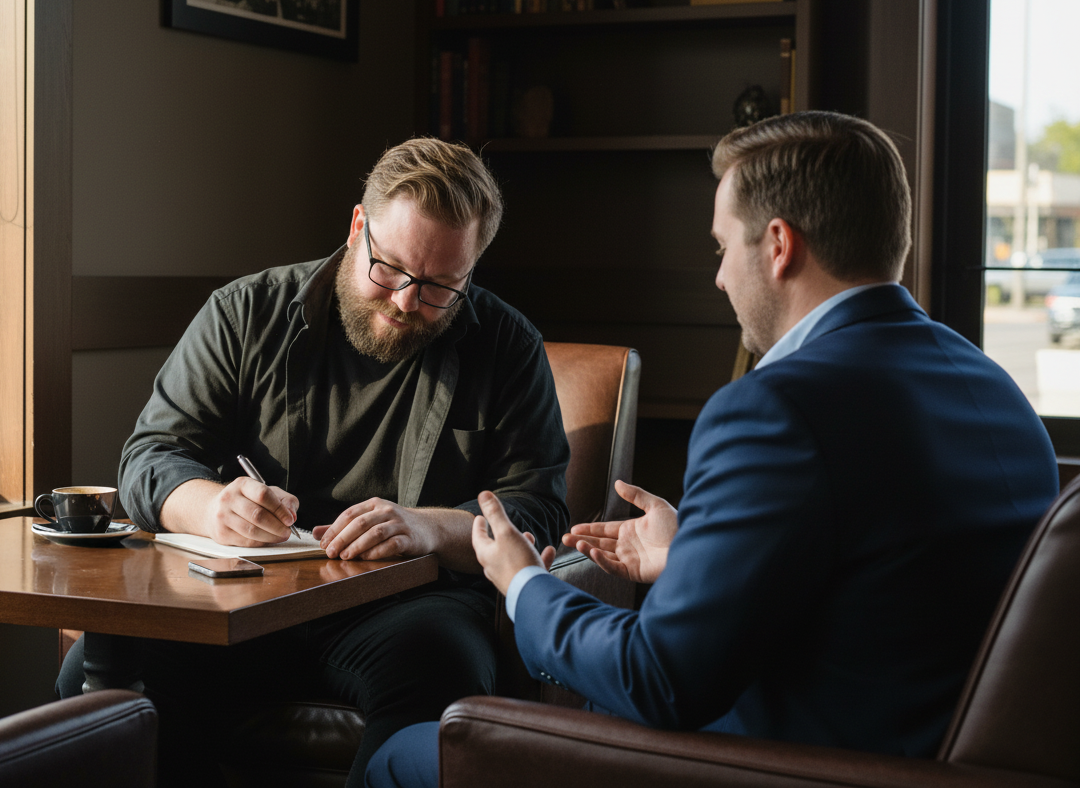
This discovery phase involves actual conversations. Not questionnaires you fill out alone. Real discussions where we learn about your business, your market, your challenges, and your goals.
Why this matters:
Design without strategy is just decoration. A logo that looks nice but doesn't communicate anything relevant to your audience is expensive art, not branding. A website that's beautiful but doesn't convert visitors is a waste of money. Professional branding requires understanding the business problem before proposing design solutions.
During discovery, we analyze your competitive landscape. Who else does what you do? How are they positioning themselves? What visual territory is already claimed? Where are the opportunities to differentiate?
We identify your target audience. Not "everyone" because that's nobody. Specific people with specific needs who will actually become customers. Understanding them informs every design decision from color psychology to messaging tone.
We define your brand position. What you stand for, what makes you different, why customers should choose you. This becomes the foundation for everything visual that follows.
The strategic brief:
Discovery culminates in a strategic brief documenting everything learned. Your business objectives, target audience characteristics, competitive positioning, brand personality, key messages, and visual direction. This becomes the roadmap for all creative work.
Skip this phase and you're designing based on personal preferences and guesswork. Include it and every design decision has strategic justification. The difference is substantial.
Though I'll admit, sometimes the strategic brief reveals that a business wants to be "innovative, trustworthy, and customer-focused" which describes approximately every business ever and requires us to dig deeper to find what actually makes them distinctive. It's like asking someone to describe themselves and they say "nice." Okay, but also what else? Give me something to work with here.
Phase 2: Visual Identity Development (Creating the Look)
With strategy established, visual identity development begins. This is where most people think branding starts, but you'll notice we're already at phase two.
Logo design:
Your logo is the cornerstone of visual identity, but it's not the only component. Professional logo design creates a mark that's distinctive, appropriate for your industry and audience, versatile across applications, and timeless enough to last years.
The process typically involves multiple concept directions exploring different visual approaches. Not variations of one idea, but genuinely different concepts based on the strategy. You review, provide feedback, we refine the direction you select.
The final logo delivers vector files in multiple formats, color variations for different backgrounds, sizing guidelines, and clear usage rules. This ensures consistency regardless of who implements the logo later.
Color palette:
Your brand colors communicate psychology before words do. Professional color selection considers industry conventions, audience preferences, competitor differentiation, and practical applications.
We deliver primary colors for main brand elements, secondary colors for supporting materials, and guidance on color combinations that work together. Plus technical specifications (hex codes, RGB, CMYK, Pantone) so colors remain consistent across digital and print.
Typography:
Font selection affects readability, personality, and brand recognition. We choose primary fonts for headlines and logos, secondary fonts for body text, and establish hierarchy rules for how typography scales across applications.
This seems like a minor detail until you see brands using seventeen different fonts across their materials because nobody established guidelines. It's like a ransom note aesthetic, except unintentional and sad.
Visual style guidelines:
Beyond logo, colors, and fonts, we establish visual language. Photography style (bright and clean versus moody and dramatic), graphic element usage (do you use patterns, shapes, illustrations?), spacing and layout principles, and overall aesthetic direction.
These guidelines ensure anyone creating materials for your brand maintains consistency. Your social media designer, your print vendor, your internal team all work from the same playbook.
Phase 3: Website Development (Your Digital Home Base)
With visual identity established, we build your website as the central hub of your digital presence.
Website strategy:
Before designing pages, we map site structure. What pages do you need? How should they organize? What content belongs where? How do visitors navigate through the site? What actions do you want them to take?
This information architecture ensures your site makes sense to users, not just to you. We've all visited websites where finding basic information requires detective work. Good structure prevents that.
Design and development:
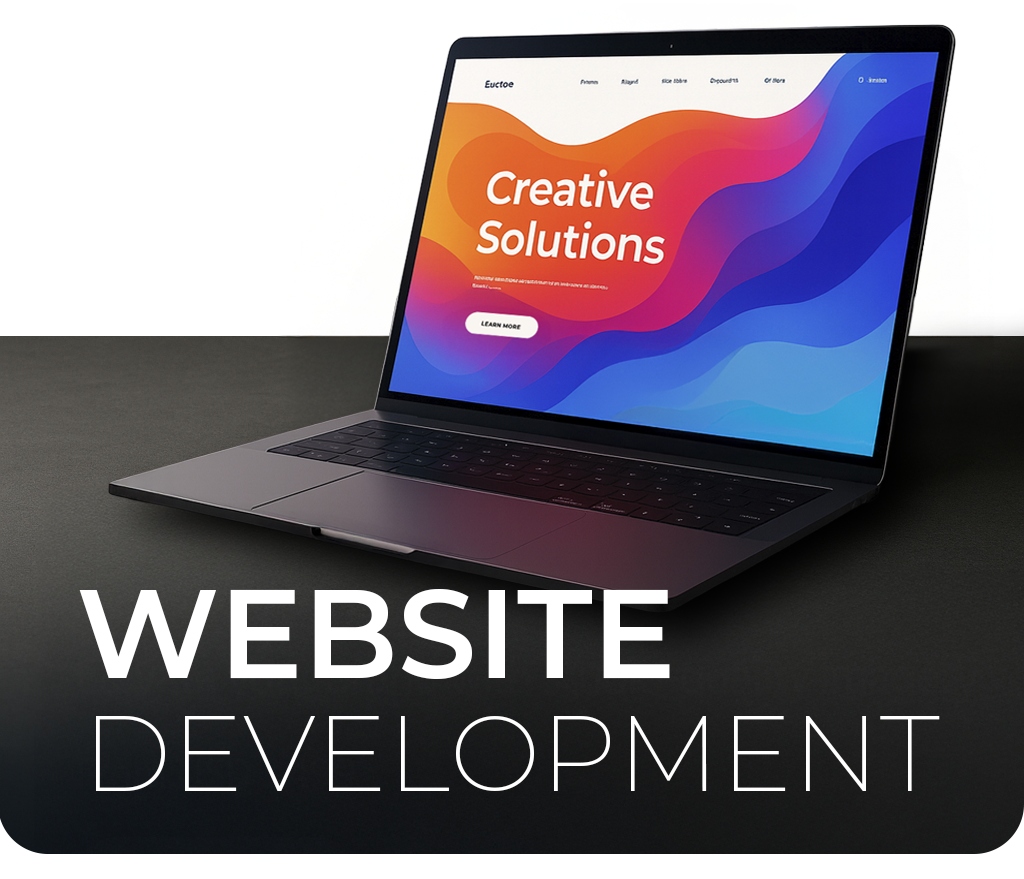
Website design brings your visual identity to life online. Your brand colors, typography, and style guidelines translate into a digital experience that's both beautiful and functional.
We design for mobile first because over 60% of traffic comes from phones. Then we enhance for larger screens rather than trying to shrink desktop designs onto phones where they don't fit properly and make people want to throw their devices.
Development ensures everything works smoothly. Fast loading times, smooth animations, working forms, proper functionality across browsers and devices. Technical excellence matters because beautiful design on a broken website is just frustrating art.
Content development:
Websites need words. Professional copywriting helps you communicate clearly without sounding like a corporate manual or a confused robot. We guide content creation, help refine messaging, and ensure your copy actually resonates with your target audience in Nashville and beyond.
Some clients write their own content with our guidance. Some prefer we handle it. Either way, the content matches your brand voice and accomplishes business objectives.
SEO optimization:
Beautiful websites nobody finds are expensive digital art. We optimize site structure, page content, images, and technical elements so search engines rank you for relevant terms. This includes keyword research, on-page optimization, technical SEO, and content strategy.
The goal isn't just traffic. It's qualified traffic from people actually interested in what you offer in your service area. Rankings for terms that convert, not just generate clicks.
Phase 4: Professional Photography (Showing What's Real)
Stock photography screams "we didn't invest in our brand." Professional photography shows your actual business, products, team, and workspace.
Product photography:
If you sell physical products, professional product photography is essential. Clean backgrounds, proper lighting, multiple angles, lifestyle shots showing products in use. Photography that makes customers want to buy, not scroll past quickly.
Product photography requires technical precision. Lighting that eliminates shadows while highlighting details. Angles that show dimensions accurately. Editing that makes colors true to life while still looking polished.
Corporate and team photography:
Headshots for team members, group photos showing company culture, workspace imagery that gives personality to your About page. Real photos of real people doing real work.
This builds trust faster than stock images of generic professionals having improbably enthusiastic meetings. Customers want to know who they're working with. Show them.
Lifestyle and environmental photography:
Context matters. Products being used in real environments. Services being delivered to actual customers. Your business in action rather than just existing.
These shots tell your brand story visually. They show not just what you sell but how it fits into customers' lives. This emotional connection drives purchasing decisions more than product specifications ever could.
Why integrated photography matters:
When your photographer understands your brand identity, website needs, and marketing plans, photos integrate seamlessly. Colors coordinate with your palette. Composition matches your design aesthetic. File formats and sizes work for all intended applications.
Compare this to hiring a random photographer who takes nice pictures but doesn't understand your brand context. You get beautiful images that don't quite fit your website layout, clash with your color scheme, and require extensive editing to make them work. It's like buying a beautiful couch that doesn't fit through your doorway. Objectively nice, subjectively problematic.
Phase 5: Video Production (Content That Moves)
Video content is no longer optional for serious businesses. It's expected for websites, essential for social media, and increasingly important for marketing effectiveness.
Corporate overview videos:
Your homepage needs a video explaining what you do, why you're different, and why people should care. This isn't a commercial. It's a clear, engaging explanation that converts visitors into customers.
Professional video production includes scripting, filming with proper equipment and lighting, editing that maintains interest, and final delivery in formats optimized for different platforms.
Service or product videos:
Detailed videos explaining specific offerings. How your product works, what your service includes, what customers can expect. Video communicates complexity better than text while maintaining engagement.
Testimonial and case study videos:
Real customers talking about real results builds credibility faster than written testimonials. Video testimonials show authentic reactions and build trust.
Promotional and social content:
Shorter videos for social media, promotional campaigns, or specific marketing initiatives. Content designed for platforms like Instagram, Facebook, LinkedIn, TikTok depending on where your audience actually spends time.
Drone videography:
Aerial footage for property showcases, facility tours, or dramatic establishing shots. Yes, we fly robots with cameras and pretend this is completely normal instead of acknowledging we're living in the future.
Drone video works particularly well for real estate, hospitality, event venues, and any business where physical space matters. Sweeping aerial shots create impact that ground-level footage simply can't match.
Why coordinated video matters:
Video that matches your brand identity, incorporates your photography style, and aligns with your website design creates cohesive brand experience. Your video intro uses your logo correctly. Your color grading coordinates with your palette. Your b-roll footage matches your photography aesthetic.
Alternatively, you could hire a random videographer who makes beautiful videos that feel disconnected from everything else about your brand. Both approaches technically result in video. One feels intentional, the other feels assembled from spare parts.
Phase 6: Marketing Materials and Collateral (Everything Else)
Comprehensive branding extends beyond websites and digital content into every brand touchpoint.
Business cards:
Physical cards that represent your brand professionally. Proper logo usage, coordinated colors, quality printing. Cards people keep instead of immediately recycling.
Print marketing materials:
Brochures, flyers, presentation folders, sell sheets. Anything you hand to customers or prospects. Professional design using your established brand guidelines ensures consistency.
Digital marketing graphics:
Social media templates for consistent posting across platforms. Email headers and signatures. Digital ads. Content that maintains brand identity while optimized for each channel's requirements.
Signage and environmental graphics:
Storefront signs, window graphics, interior wayfinding, trade show displays. Any physical space where your brand appears needs proper design execution.
Vehicle graphics and wraps:
Company vehicles become mobile advertising with professional wraps. Full wraps covering entire vehicles or partial graphics adding branding to doors and sides.
Promotional items:
Branded merchandise including apparel, drinkware, bags, and various items. Professional design ensures your logo and branding work across different materials and production methods.
Packaging design:
If you ship products, packaging becomes part of customer experience. Branded boxes, labels, inserts, and unboxing presentation that reinforces brand quality.
Why comprehensive materials matter:
Every touchpoint is an opportunity to reinforce brand identity or undermine it. Professional execution across all materials builds recognition and credibility. Inconsistent materials confuse customers and weaken brand impact.
Think of it like dressing professionally. One nice shirt doesn't make you well-dressed if your pants are from 2003 and your shoes are falling apart. Everything needs to coordinate. Same principle applies to brand materials.
Phase 7: Implementation and Launch (Making It Real)
Creating all brand assets is just preparation. Implementation brings everything together and launches your brand into the world.
Website launch:
Deploying your completed website includes testing across devices and browsers, setting up analytics, configuring SEO elements, and ensuring all forms and functionality work correctly. Launch isn't just flipping a switch. It's a coordinated process with quality checks.
Marketing material rollout:
Distributing new business cards, updating signage, implementing vehicle graphics, ordering promotional items. Physical brand manifestation requires coordination and quality control.
Digital presence updates:
Updating all social media profiles with new branding, refreshing email signatures, updating digital advertising with new graphics. Ensuring every digital touchpoint reflects the new brand.
Team training:
If you have staff, they need to understand brand guidelines and how to maintain consistency. Training ensures everyone represents the brand properly in communications and materials.
Vendor coordination:
If you work with external vendors (printers, manufacturers, distributors), they need proper brand guidelines and files to execute your branding correctly. Providing these resources prevents future problems.
Phase 8: Ongoing Support and Evolution (The Long Game)
Branding isn't "set it and forget it." Markets change, businesses evolve, technology advances. Ongoing support keeps your brand current and effective.
Content updates:
Websites need regular updates. New products, new services, team changes, fresh content. We handle updates so your site stays current without requiring you to become a web developer.
Marketing support:
Ongoing design work for campaigns, promotions, seasonal content, new initiatives. Having an established relationship with your branding team means faster turnaround and consistent execution.
Brand evolution:
Over years, brands need refreshing. Not complete redesign, but evolution. Updating colors slightly, refining typography, modernizing layouts while maintaining recognition. We guide this evolution strategically.
Performance analysis:
Tracking how your branding performs through analytics, conversion rates, customer feedback. Data informs decisions about what's working and what needs adjustment.
Strategic consultation:
As your business grows and changes, your branding needs strategic thinking. New markets, new offerings, repositioning. Ongoing relationship means we understand your business context and can advise effectively.
The Integrated Advantage (Why One Team Beats Multiple Vendors)
Throughout this entire process, one advantage remains constant: coordination.
When one team handles strategy, design, development, photography, video, materials, and ongoing support, everything connects. Your photographer knows what your website needs. Your designer understands your photography style. Your developer coordinates with your content creator. Everyone works from the same strategic foundation.
Compare this to the typical approach: hire a strategist who hands off to a logo designer who works independently from your web developer who's never met your photographer who doesn't coordinate with your graphic designer. Each piece is fine individually. Together, they're chaos.
It's the difference between an orchestra following a conductor versus random musicians playing different songs simultaneously and hoping it sounds good. Technically both involve people with instruments. One creates music, the other creates noise complaints.
The Faith Foundation (What Drives Excellence)
Romans 11:36 states: "For from Him and through Him and to Him are all things. To Him be the glory forever."
This verse is foundational to All Things Branding. The name itself carries dual meaning: comprehensive services (all things branding) and theological recognition that all creation exists for God's glory.
This foundation drives our approach to work. Excellence isn't optional because mediocre work doesn't honor God or serve clients well. Integrity in business dealings is non-negotiable. Treating people with dignity and respect is required regardless of project size or budget.
You don't need to share our faith to work with us. Many clients don't. But you should understand that our commitment to quality, honesty, and genuinely caring about your success comes from something deeper than profit motive.
Though let's be honest, we also need to profit because electricity costs money and so does food and apparently you can't just pay rent with "good intentions" despite how much easier that would make business. But the drive for excellence comes from wanting to honor God through our work, not just from wanting to get paid.
When Complete Branding Makes Sense (And When It Doesn't)
Comprehensive branding isn't necessary for every business at every stage.
You need complete branding if:
You're launching a new business and need everything from strategy through execution. You're rebranding an established business and need to rebuild your entire presence. Your current branding is fragmented across multiple vendors and needs integration. You value consistency and want coordinated brand implementation.
You might not need everything if:
You just need one specific service updated while everything else works fine. Your budget requires focusing on highest-priority items first. You're testing a concept before committing to full brand development.
All Things Branding handles both comprehensive projects and focused services. We're not going to pressure you into buying services you don't need because that's annoying and also you'll resent us and tell people we're pushy which would be terrible for our reputation.
But if you need multiple services, coordinated approach beats managing separate vendors approximately as much as a GPS beats a paper map. Both technically help you get somewhere. One is significantly less likely to result in being lost in Tennessee back roads questioning your navigation choices.
The Complete Journey (Start to Finish)
Professional branding is a journey from "we need help" to "we look amazing and our business is growing." It involves strategy, design, development, photography, video, materials, implementation, and ongoing support.
All Things Branding handles this entire journey under one roof with one coordinated team. Based in Nashville with over 15 years of creative industry experience, we understand what makes brands effective in competitive Middle Tennessee markets and beyond.
The alternative is managing multiple vendors, coordinating between people who don't communicate, dealing with inconsistent results, and spending significant time on project management instead of running your business.
If comprehensive, coordinated branding sounds valuable, visit www.allthingsbranding.com or give us a call. We'll discuss your specific situation, create a realistic plan, and handle your branding like the integrated team we actually are.
Your business deserves branding that's strategic, professional, and consistent. You deserve to work with people who understand the complete picture instead of just their small piece of it.
And yes, we really do mean ALL things. From strategy to launch and beyond. That's not marketing hyperbole. That's just what we do.
(Also, friendly reminder that we have drones. Flying cameras. Because apparently that's just normal business now and we're all supposed to pretend this isn't straight out of science fiction. But it's cool. We're cool with it. Totally normal.)